
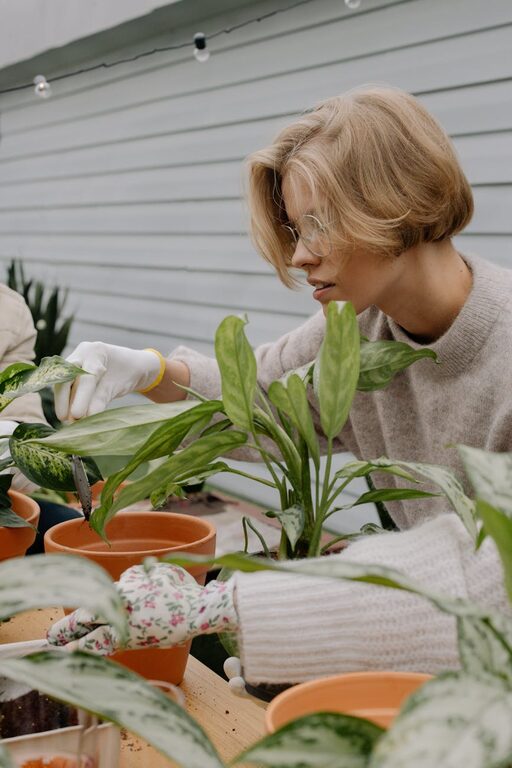
Bringing houseplants into your home is a wonderful way to add life, color, and fresh air. However, keeping your green friends healthy can sometimes feel challenging, especially if you’re new to indoor gardening. In this post, we’ll explore practical tips to help you nurture your houseplants effectively and keep them thriving.
Understanding Your Houseplants’ Needs
Every plant species has its own unique requirements. Getting familiar with what your specific plants need is the first step toward successful care.
– Light: Some plants prefer bright, direct sunlight, while others thrive in low or indirect light.
– Water: Overwatering is a common mistake. Know how often your plant really needs watering.
– Humidity: Tropical plants often like more humid environments.
– Soil: The right kind of soil can improve drainage and nutrient retention.
By tailoring your care to these needs, you create an environment where your plants can truly flourish.
Choosing the Right Location
Placement is crucial for plant health. Here’s how to find the perfect spot in your home:
– Near Windows: South- or east-facing windows usually provide good light.
– Avoid Drafts: Keep plants away from cold drafts or heating vents.
– Consider Humidity: Bathrooms and kitchens often have higher humidity—good for moisture-loving plants.
– Rotate Periodically: Turn your plants every week or so to ensure even growth.
Watering Tips for Healthy Plants
Watering might seem simple, but it can be tricky. Here are some watering best practices:
– Check Soil Moisture: Insert your finger about an inch into the soil; water only when it feels dry.
– Use Room-Temperature Water: Cold water can shock the roots.
– Drainage is Key: Ensure your pots have drainage holes to prevent root rot.
– Watering Frequency: Most houseplants need water once a week, but this varies by species and season.
Feeding Your Plants
Plants need nutrients to stay healthy and grow. Here’s how to feed them properly:
– Use Fertilizer: Choose a fertilizer appropriate for your plant type (e.g., balanced, high-nitrogen).
– Follow Instructions: Over-fertilizing can harm plants.
– Feed During Growth Periods: Generally, spring and summer are ideal times.
Maintaining Humidity and Temperature
Many houseplants come from humid environments and require similar conditions indoors:
– Group Plants Together: This naturally raises humidity.
– Use a Humidifier: Helpful for dry climates or heated homes in winter.
– Misting: Lightly mist plants with water occasionally; avoid overdoing it to prevent disease.
– Keep Temperatures Stable: Most houseplants prefer temperatures between 65°F and 75°F (18–24°C).
Pruning and Cleaning
Regular maintenance keeps plants healthy and looking their best:
– Remove Dead Leaves: This helps prevent pest infestations and disease.
– Trim for Shape: Prune leggy growths to encourage bushier plants.
– Clean Leaves: Dust blocks light; gently wipe leaves with a damp cloth or rinse under lukewarm water.
Watch for Pests and Disease
Even the healthiest plants can attract pests. Here’s what to watch for and how to respond:
– Common Pests: Look out for spider mites, aphids, scale, and mealybugs.
– Natural Remedies: Use insecticidal soap or neem oil to treat infestations.
– Isolate New Plants: Quarantine new plants before introducing them to your collection.
Repotting When Needed
Plants outgrow their pots over time, which can limit growth:
– Signs to Repot: Roots growing through drainage holes or soil drying very quickly.
– Choose Correct Pot Size: Pick a container one size larger with drainage holes.
– Use Fresh Soil: Replace old soil to provide fresh nutrients.
Final Thoughts
Healthy houseplants aren’t just a joy to look at; they can improve your indoor air quality and boost your mood. By understanding their specific needs, paying attention to light and water, and maintaining their environment, you can enjoy thriving plants all year long. Remember, patience and observation are key—your plants will let you know how they feel!
Happy planting!