
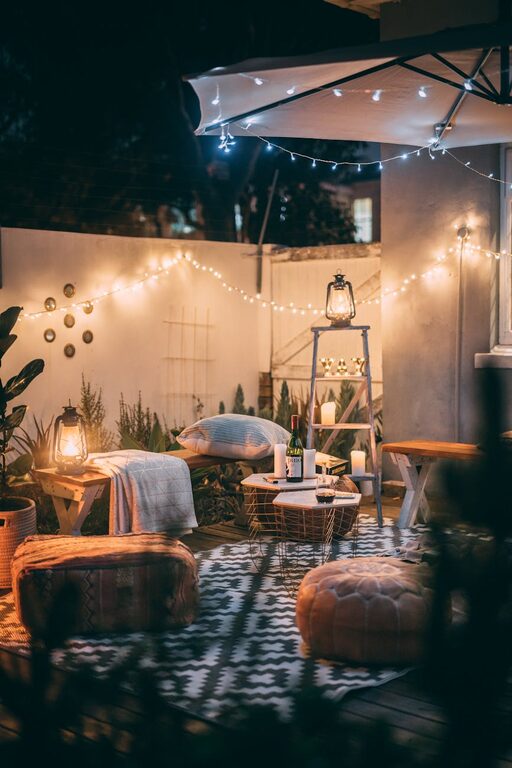
Creating the perfect lighting in your home is key to achieving a space that feels inviting, comfortable, and functional. Whether you’re reading, cooking, working, or relaxing, the right lighting can make all the difference. However, choosing home lighting that balances aesthetics and comfort can sometimes feel overwhelming.
In this post, we’ll explore practical tips to help you select comfortable lighting options for your home that enhance every room’s mood and usability.
Why Comfortable Lighting Matters
Lighting plays a huge role in how your space feels. Harsh or overly bright lights can cause eye strain and make rooms feel cold or uninviting, while dim or inadequate lighting can make spaces gloomy and difficult to use. Comfortable lighting supports your daily activities, promotes relaxation, and highlights your home’s best features.
Understand Different Types of Lighting
A well-lit room usually features three layers of lighting, each serving a specific purpose:
1. Ambient Lighting
This is your main source of light, which provides overall illumination to a space. Examples include ceiling fixtures, chandeliers, or recessed lights.
2. Task Lighting
Task lighting focuses on areas where you perform specific activities, like reading lamps near a chair or under-cabinet lights in the kitchen.
3. Accent Lighting
Accent lights add drama and highlight particular features such as artwork, plants, or architectural details. Common types include spotlights and wall sconces.
Combining these layers thoughtfully creates a balanced, comfortable lighting environment.
Tips for Choosing Comfortable Home Lighting
Consider the Room’s Purpose
Each room has different lighting needs. For example:
– Living room: Prioritize adjustable ambient lighting and soft accent lights for relaxation and socializing.
– Kitchen: Bright, clear task lighting is essential for cooking and food prep, complemented by ambient lighting.
– Bedroom: Soft, dimmable lights create a calming atmosphere; consider bedside reading lamps.
– Bathroom: Bright, shadow-free lighting near mirrors works best for grooming tasks.
Understanding how you use a space guides your lighting choices.
Choose the Right Bulb Color Temperature
Light color temperature affects mood and comfort. It is measured in Kelvins (K):
– Warm light (2700K–3000K): Produces a cozy, relaxing glow, ideal for living rooms and bedrooms.
– Neutral white light (3500K–4100K): Feels bright yet natural; good for kitchens and workspaces.
– Cool white light (5000K–6500K): Very bright and crisp, often used in garages and utility rooms.
For most living spaces, warm to neutral light creates the most comfortable ambiance.
Opt for Dimmable Fixtures
Being able to adjust the brightness lets you customize lighting to your mood and activity. Installing dimmer switches or choosing dimmable bulbs allows flexibility while increasing energy efficiency.
Pay Attention to Light Placement
Where you position your lights matters. Avoid placing bright lights directly above seating areas, as this can cause glare. Instead, consider indirect lighting, such as uplights or lamps with shades that soften light.
Using multiple light sources spread around a room prevents harsh shadows and creates a cozy effect.
Use Quality Fixtures and Bulbs
Cheap fixtures can produce uneven light or flicker. Invest in quality products that offer consistent brightness and fit your style. LED bulbs are a great choice since they use less energy, last longer, and provide good light quality.
Incorporate Natural Light
Maximize daylight by using sheer curtains or blinds to let sunlight in while controlling glare. Natural light improves mood and reduces reliance on artificial lights during the day.
Think About Color and Reflective Surfaces
Light-colored walls and reflective surfaces like mirrors or glass lamp shades can amplify light, making rooms feel brighter and larger without increasing wattage.
Create Zones with Lighting
Divide larger rooms into functional areas with separate lighting controls. For example, a corner reading nook can have its own lamp, while the main room has ambient lighting.
Final Thoughts on Comfortable Home Lighting
Comfortable lighting is about balance—consider your activities, room function, and personal preferences. Layer your lighting, select bulbs with the right color temperature, and aim for flexibility with dimmers. Don’t forget the power of natural light and reflective surfaces to brighten your home pleasantly. With these tips, you can create inviting, comfortable spaces where functional needs and atmosphere work hand in hand.
By taking time to plan your lighting, you’ll enjoy a home that feels warm and welcoming, day or night.