
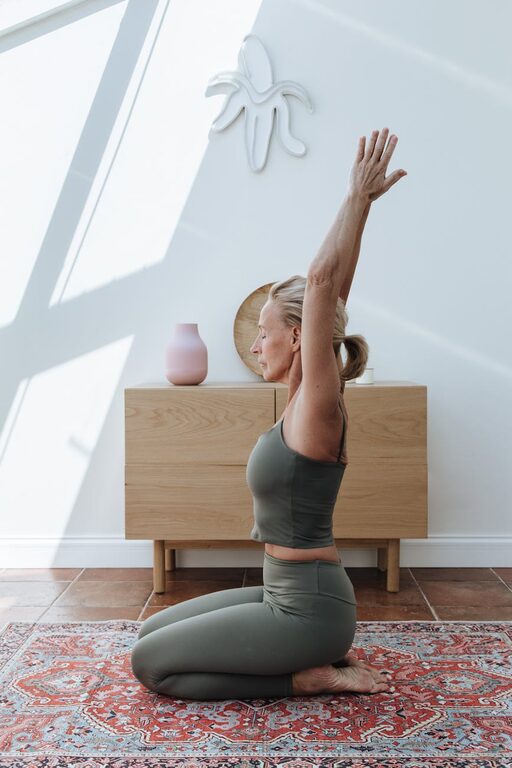
Stretching is a simple yet powerful way to enhance your overall health and well-being. Whether you’re a complete beginner or just looking to add some gentle movement to your day, stretching at home can help improve your flexibility, reduce muscle tension, and boost circulation. In this beginner’s guide, we’ll walk you through the basics of stretching, essential tips, and easy stretches you can do without any special equipment.
Why Stretch at Home?
Stretching offers many benefits beyond just feeling limber. When done regularly, it can:
– Increase your range of motion
– Improve posture and alignment
– Reduce muscle stiffness and soreness
– Enhance blood flow and circulation
– Relieve stress and promote relaxation
Doing these stretches at home makes it easy to fit into your daily routine. You don’t need a gym; just a comfortable space and a few minutes to focus on your body.
Getting Started: Stretching Basics
Before you start stretching, it helps to understand some key guidelines:
Warm Up First
Stretching cold muscles can lead to strain or injury. Warm up your body with light activity such as walking in place, gentle jogging, or arm circles for about 5 minutes.
Stretch Slowly and Smoothly
Avoid bouncing or jerky movements. Stretch into the position gradually and hold gently, feeling a mild pull but never pain.
Breathe Deeply
Use slow, deep breaths while stretching. This helps relax your muscles and improves oxygen flow.
Hold Each Stretch for 15–30 Seconds
Aim to hold stretches long enough for your muscles to lengthen comfortably. Repeat 2–3 times for best results.
Listen to Your Body
Stretch to the point of mild tension, not discomfort. Stop if you feel sharp pain or dizziness.
Essential Stretching Exercises for Beginners
Here are some easy stretches that target major muscle groups. Perform these stretches daily or at least 3–4 times a week.
Neck Stretch
– Sit or stand with your back straight.
– Slowly tilt your head to the right, bringing your ear toward your shoulder.
– Hold for 20 seconds, feeling the stretch along the side of your neck.
– Repeat on the left side.
Shoulder Stretch
– Extend your right arm across your chest.
– Use your left hand to gently press your right arm closer to your body.
– Hold for 20 seconds, then switch arms.
Chest Opener
– Clasp your hands behind your back.
– Straighten your arms and gently lift your hands upward while opening your chest.
– Hold for 20 seconds and breathe deeply.
Cat-Cow Stretch (Spine Mobility)
– Get on your hands and knees in a tabletop position.
– Inhale and arch your back, dropping your belly toward the floor (Cow).
– Exhale and round your spine up toward the ceiling (Cat).
– Repeat slowly for 8–10 cycles.
Seated Forward Fold
– Sit on the floor with legs extended straight.
– Inhale and lengthen your spine.
– Exhale and bend forward from your hips, reaching toward your feet.
– Hold for 20–30 seconds; avoid rounding your back.
Hamstring Stretch
– Lie on your back with one leg extended on the floor.
– Lift the other leg and hold behind the thigh or calf.
– Keep your lifted leg straight as you gently pull it toward you.
– Hold for 20 seconds, then switch legs.
Quadriceps Stretch
– Stand near a wall or chair for balance.
– Bend your right knee and bring your heel toward your buttocks.
– Hold your ankle with your right hand and keep your knees close.
– Hold for 20 seconds, then switch sides.
Calf Stretch
– Stand facing a wall with one foot near the base.
– Step back with the other foot, keeping the heel on the floor.
– Lean forward slightly to stretch the calf muscle.
– Hold for 20 seconds, then switch legs.
Tips for Staying Consistent
Incorporating stretching into your daily life can be simple if you keep these ideas in mind:
– Set a Routine: Stretch at the same time each day, such as in the morning or before bed.
– Create a Comfortable Space: Find a quiet, clutter-free area with enough room to move freely.
– Use Props: A yoga mat, strap, or towel can help deepen your stretches, especially for hamstrings.
– Combine with Other Activities: Stretch after workouts or long periods of sitting to feel refreshed.
– Track Progress: Notice improvements in flexibility and reduced muscle tension to stay motivated.
When to Be Cautious
While stretching is generally safe, certain conditions may require modifications or professional advice:
– Recent injuries or surgeries
– Chronic pain or joint issues
– Specific medical conditions affecting muscles or bones
If you have concerns, consult a fitness expert or healthcare provider before beginning new stretches.
Final Thoughts
Starting a home stretching routine is a wonderful way to care for your body and mind. With just a few minutes each day, you can increase flexibility, reduce stiffness, and promote relaxation. Remember, consistency is key—so take it slow, listen to your body, and enjoy the benefits of stretching from the comfort of your own home.
Happy stretching!